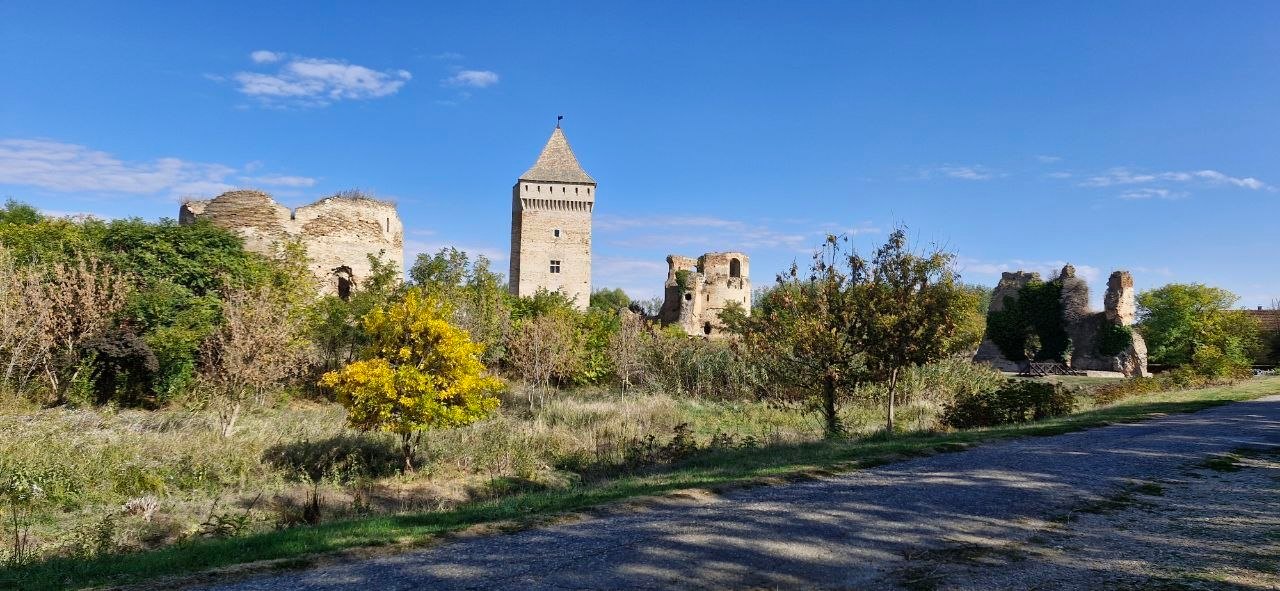
Vajska
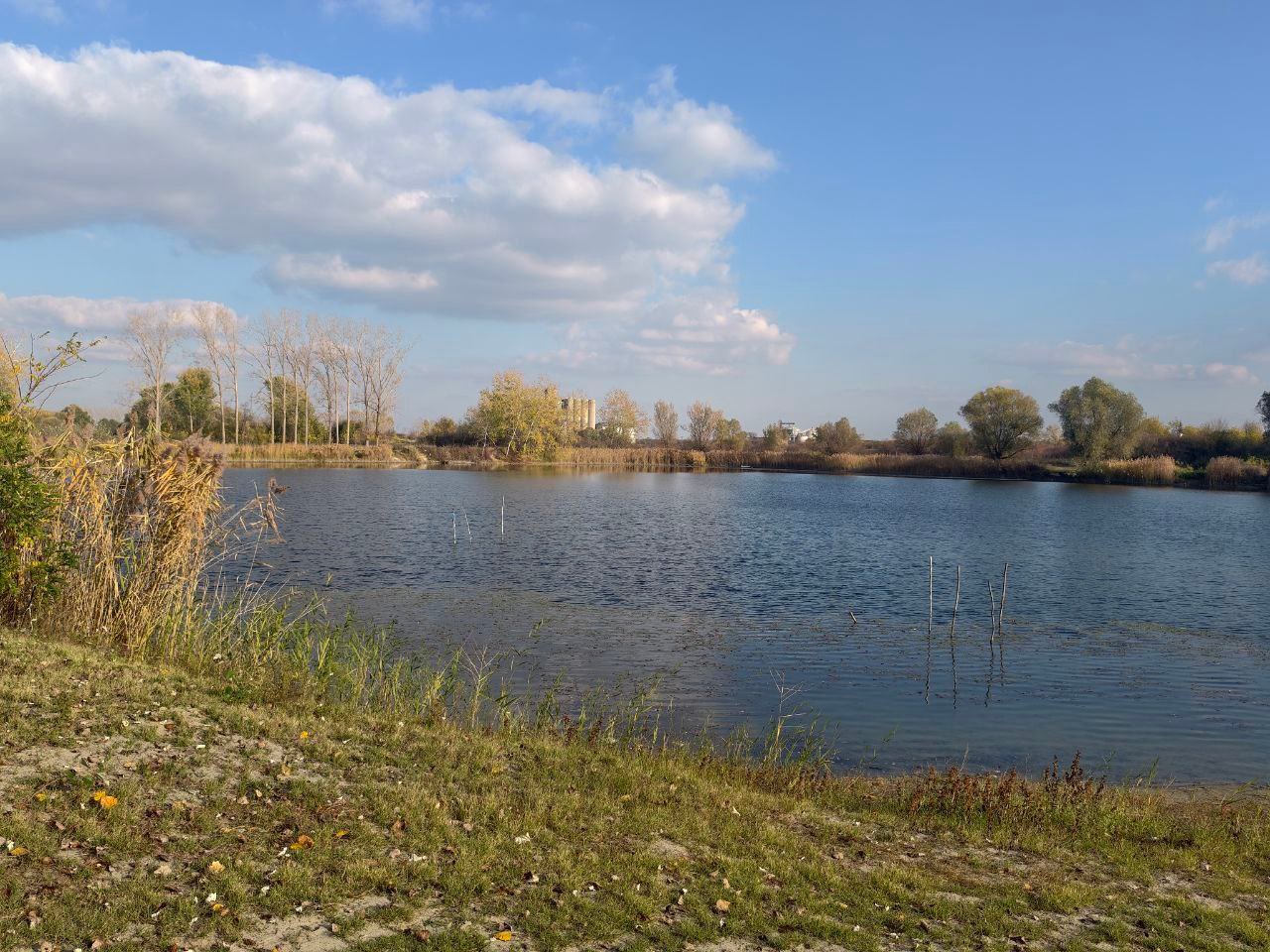
Nearby · About 6 minutes by car
Lake Provala
The deepest lake in Vojvodina, left behind by a great Danube flood: beach, campsite and fishing.
Nearby · About 1 h 18 min by car
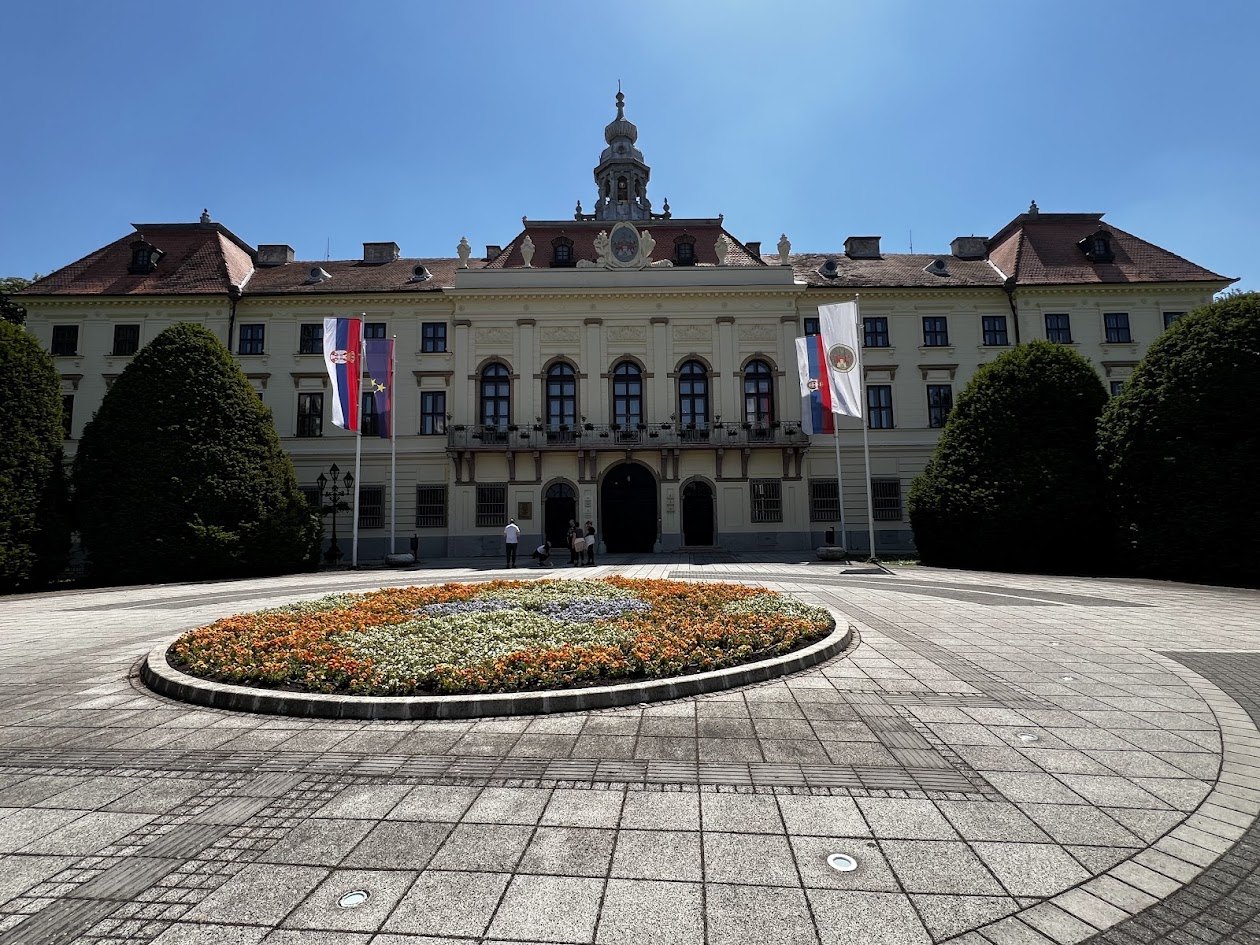
Sombor is the most interesting town nearby, about an hour and twenty minutes by car. It is known as one of the greenest towns in Serbia and became a free royal town in 1749 (Vojvodina Travel). The centre is small and flat, so everything below can be seen on foot in a morning. Photos: Konstantin Stein.
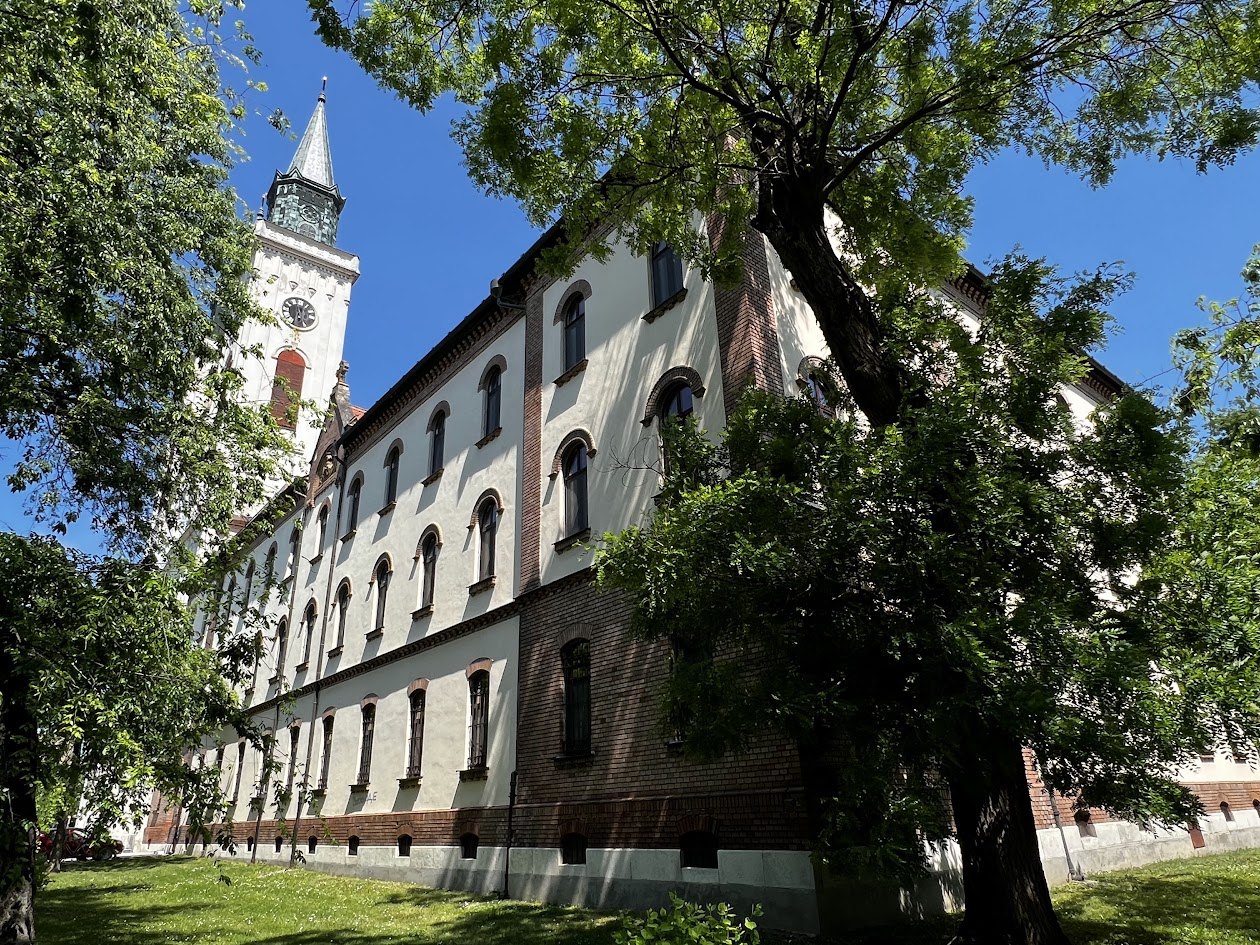
The largest building in the centre is the former County Hall (Županija), seat of Bács-Bodrog County. It was built in 1805–1809 to a design by the county engineer Anton Bauer and received its present eclectic façade in 1882. It now houses the town’s offices and is a protected cultural monument (Wikipedia, Vojvodina Travel).
Its Great Hall holds “The Battle of Senta” by Ferenc Eisenhut (1857–1903), a painter from Bačka Palanka. The county commissioned it in 1895; it was painted in Munich and unveiled on 11 September 1897, the battle’s 200th anniversary. The canvas measures 4 × 7 m, about 40 m² with its gilded frame, making it the largest painting on canvas in Serbia. A wall had to be opened to bring it in (Telegraf). Address: Trg cara Uroša 1 (Vojvodina Travel).
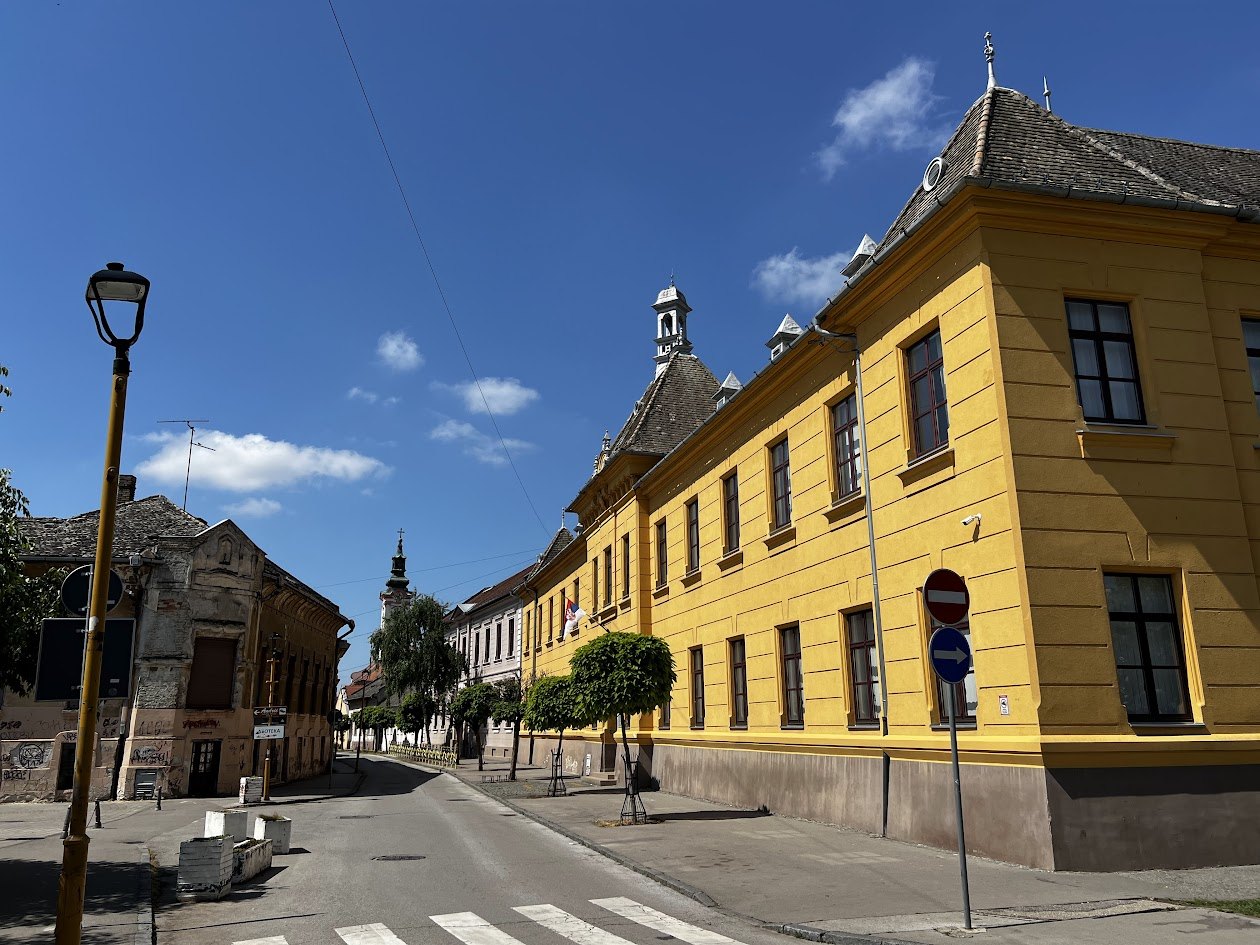
The City Hall was the palace of Sombor’s captain Jovan Branković, built in 1718. The magistrate moved in in 1749, and it got its present neoclassical look in 1842; that year, MDCCCXLII, is written on the façade (Vojvodina Travel).
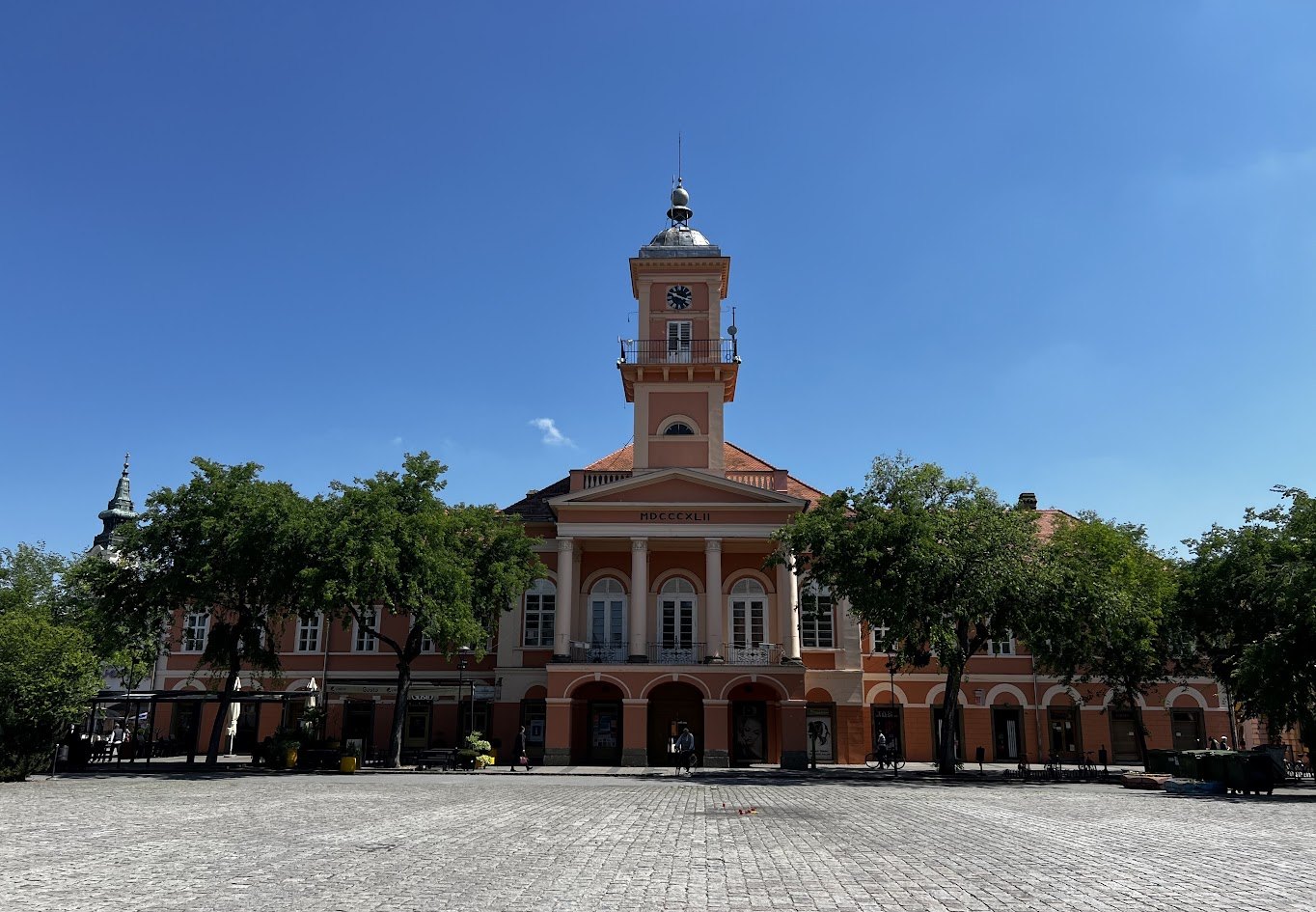
On the same square stand the Church of the Holy Trinity, raised in 1717 by Sombor’s Catholic Bunjevci on the site of older Ottoman buildings, the parish house with a sundial built for the Franciscans, and the baroque Grassalkovich Palace of 1763, once an immigration centre and quarantine (Vojvodina Travel). Horse-drawn carriages for a ride round the centre wait behind the square (The Amazing Traveler).
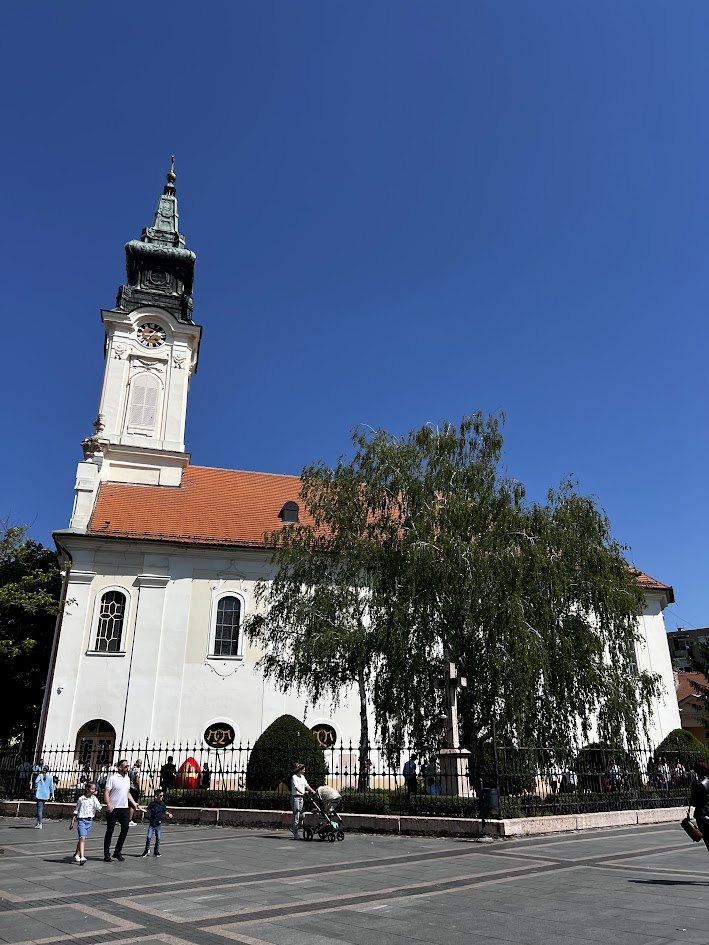
On St George’s Square stands the Serbian Orthodox Church of St George. Building began in 1759 and the first liturgy was held in 1761, on the site of a small church restored in 1717. The icons of the first iconostasis were painted in 1771 by Teodor Kračun, Jovan Isajlović and Lazar Serdanović; the present iconostasis of 1866 has icons by Pavle Simić (Wikipedia). An Orthodox cross of 1795 that once stood on the square is now in the churchyard (Vojvodina Travel).
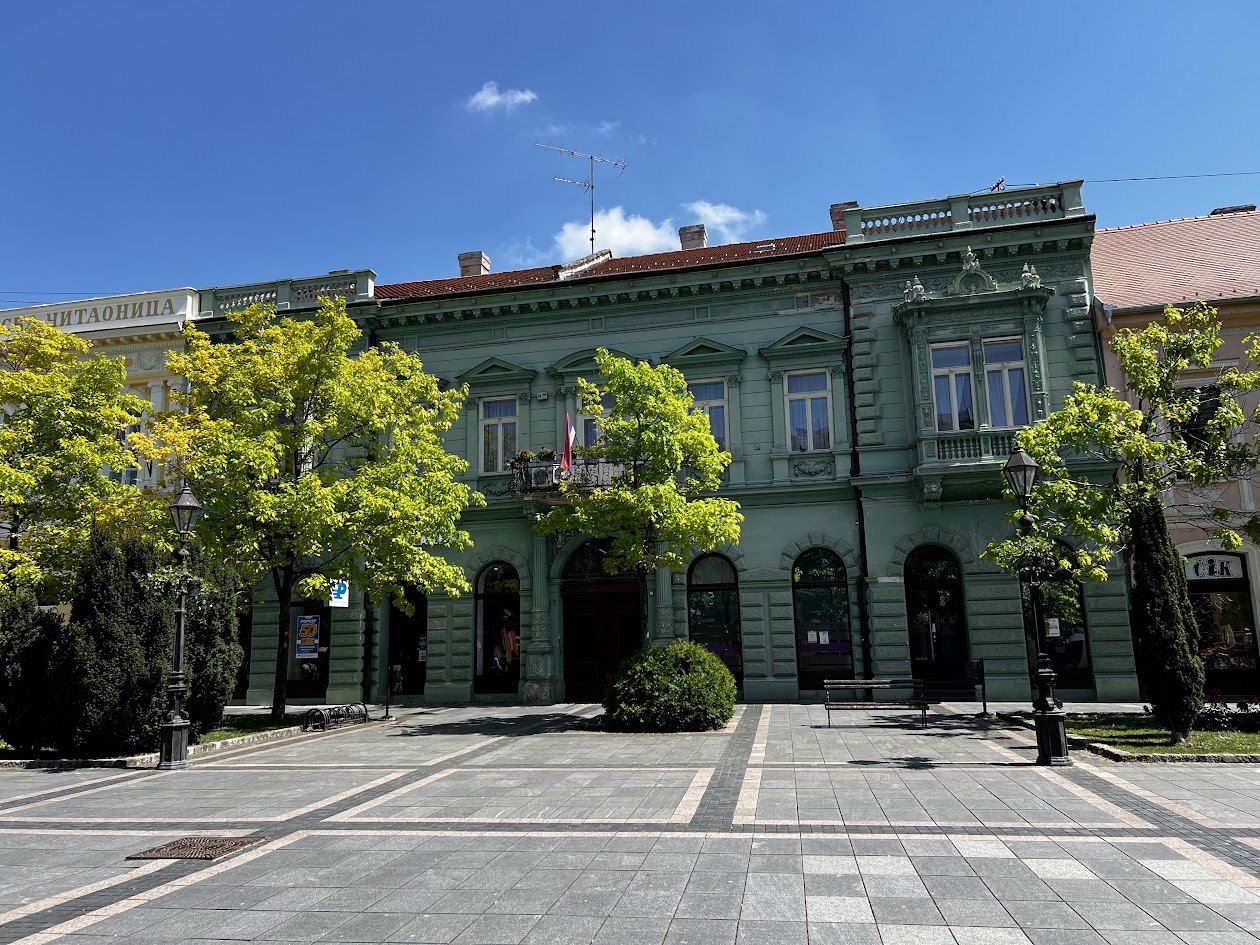
The “Laza Kostić” Serbian Reading Room was founded in 1845 on the initiative of 72 Serbs of Sombor and got its own building in 1882. The poet Laza Kostić was its president from 1901 until his death in 1910 (Vojvodina Travel).
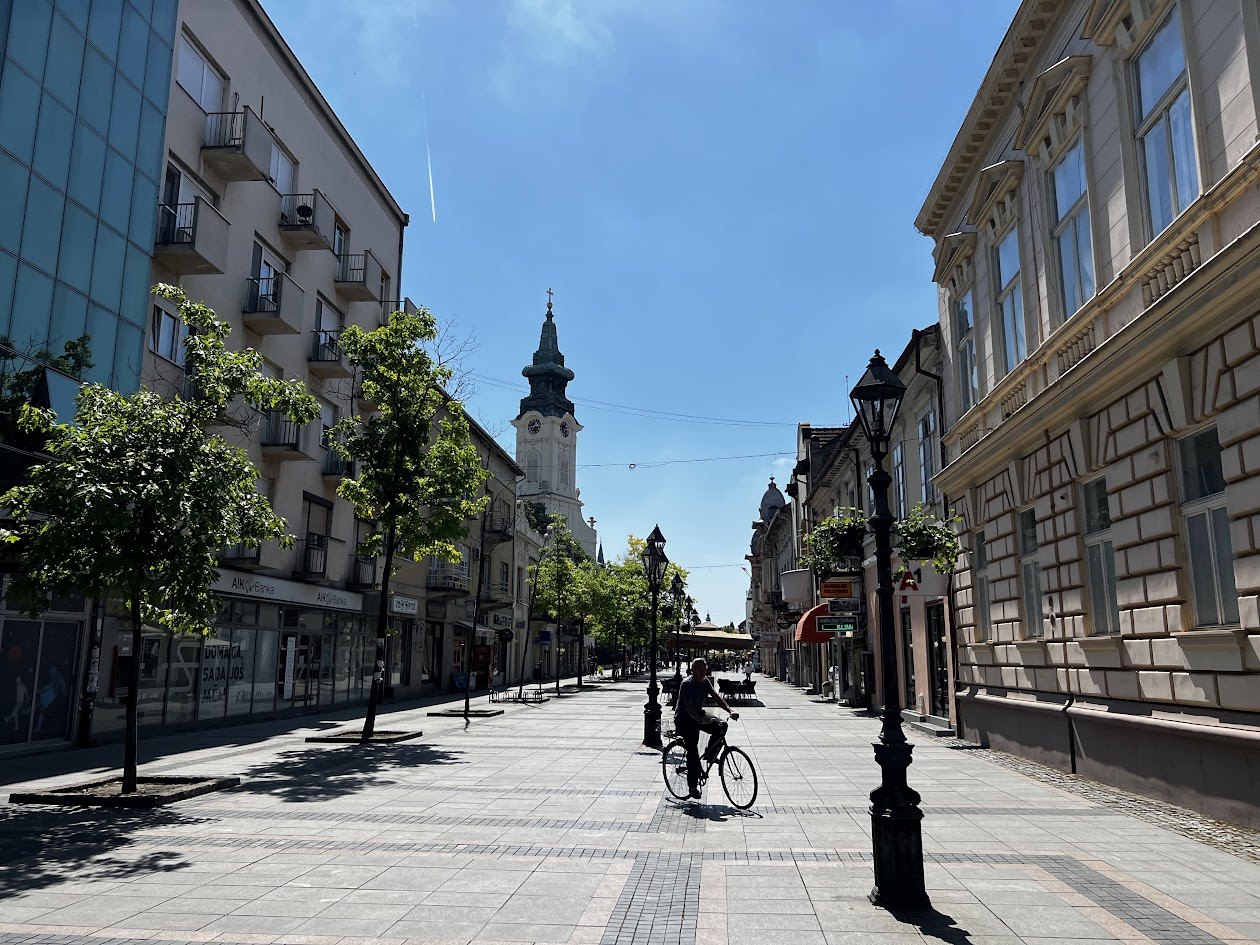
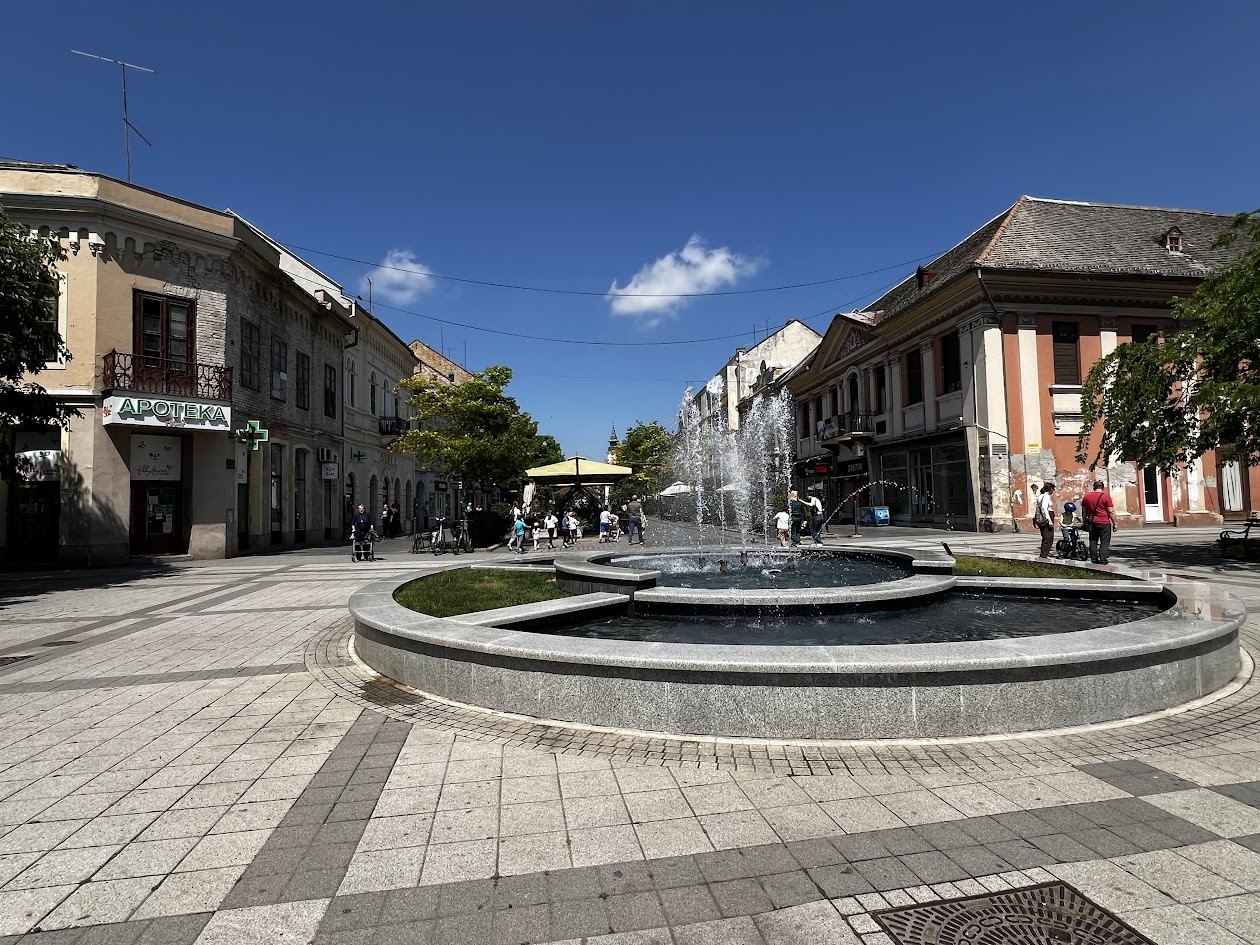
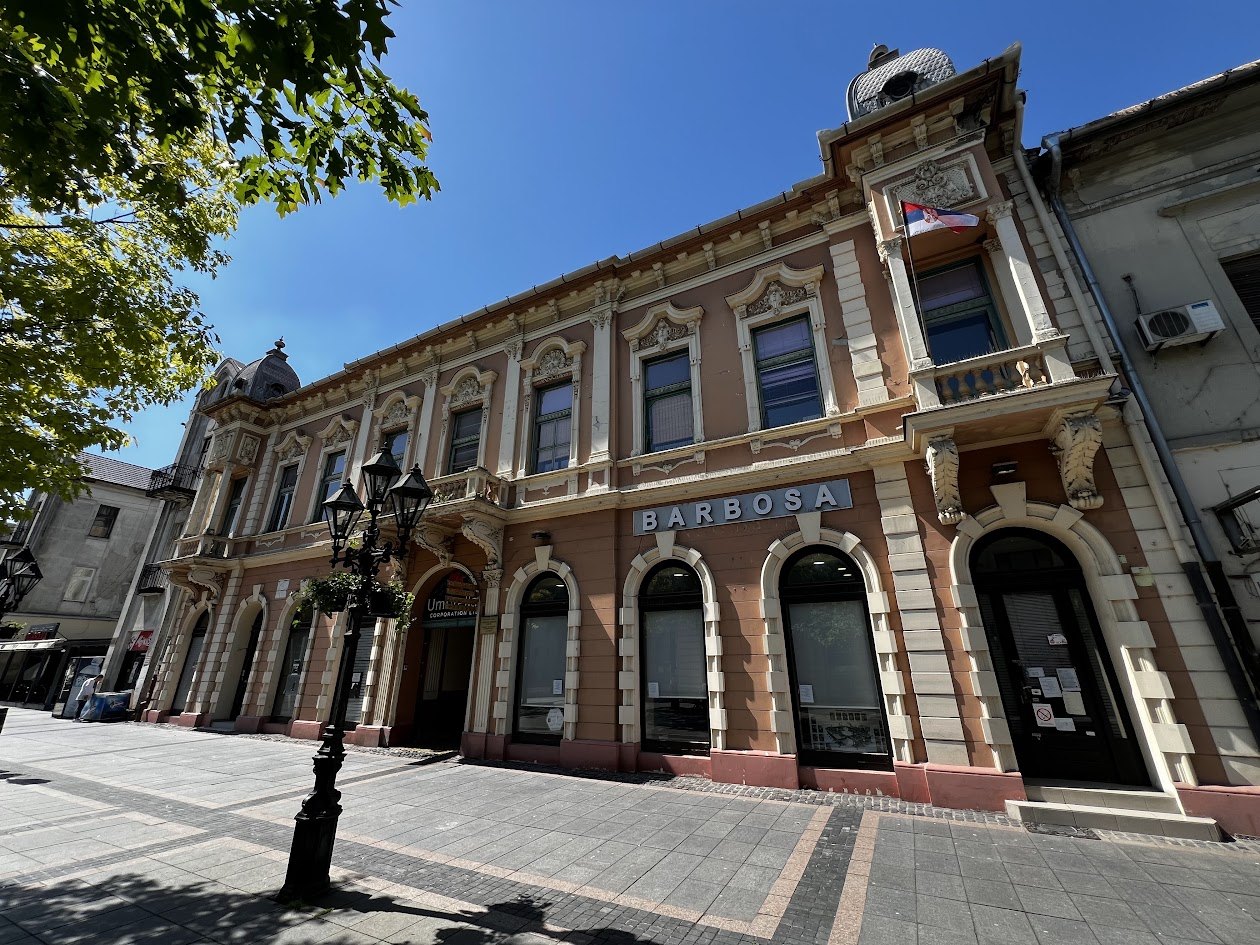
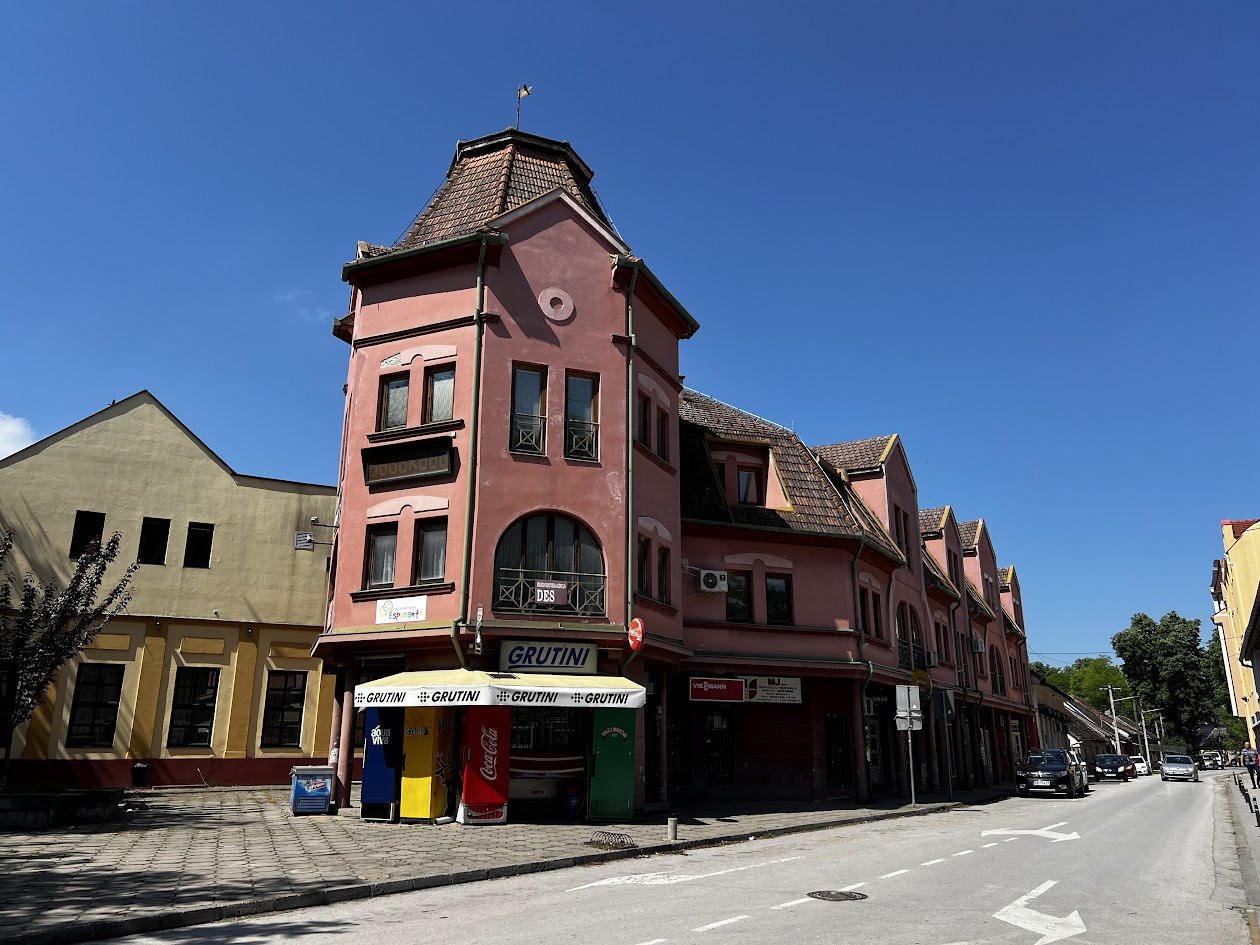
The main street, Kralja Petra, is lined with low, colourful buildings, cafés and restaurants (The Amazing Traveler). Between the fountains and street lamps, look up at the stucco and the domes on the corners.
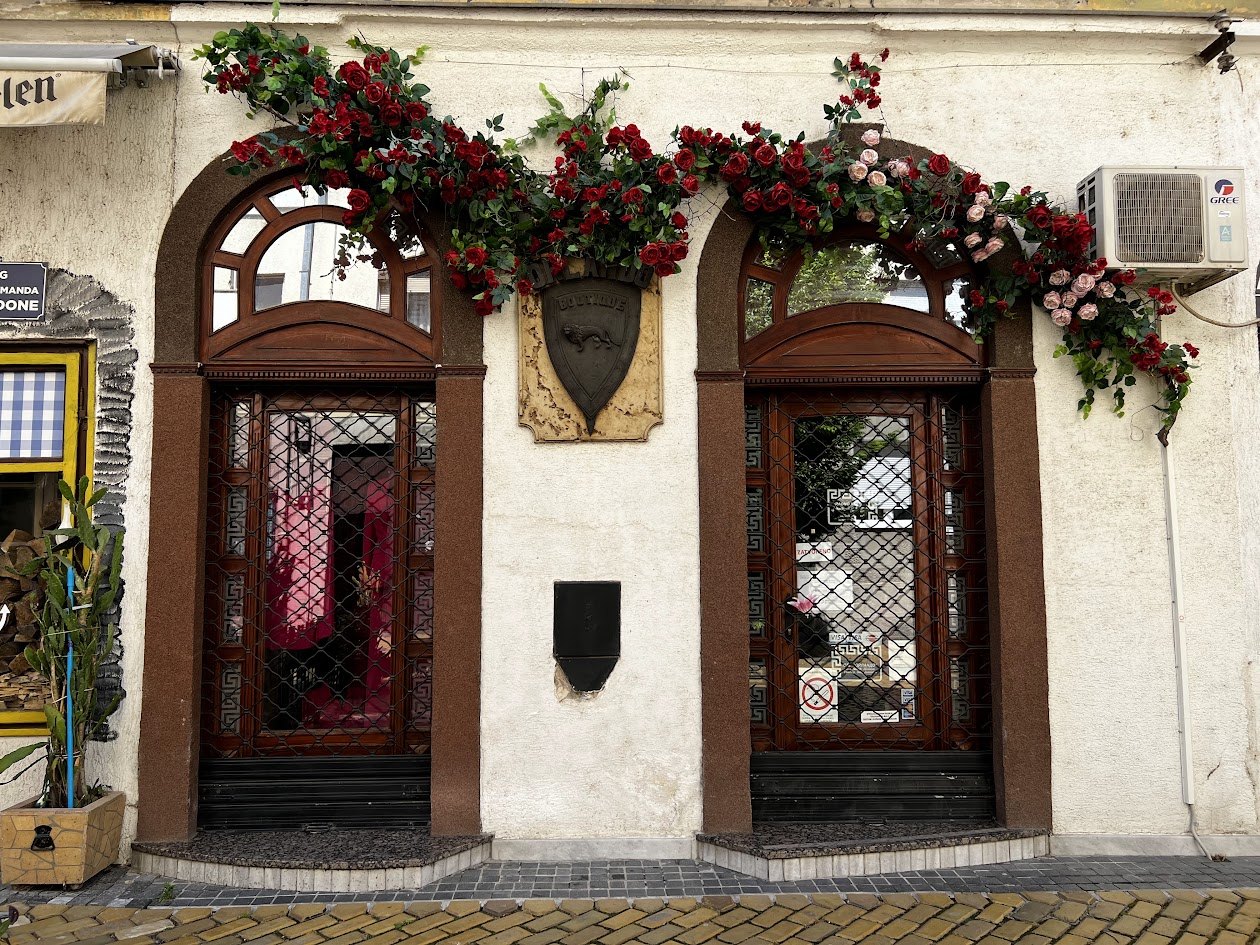
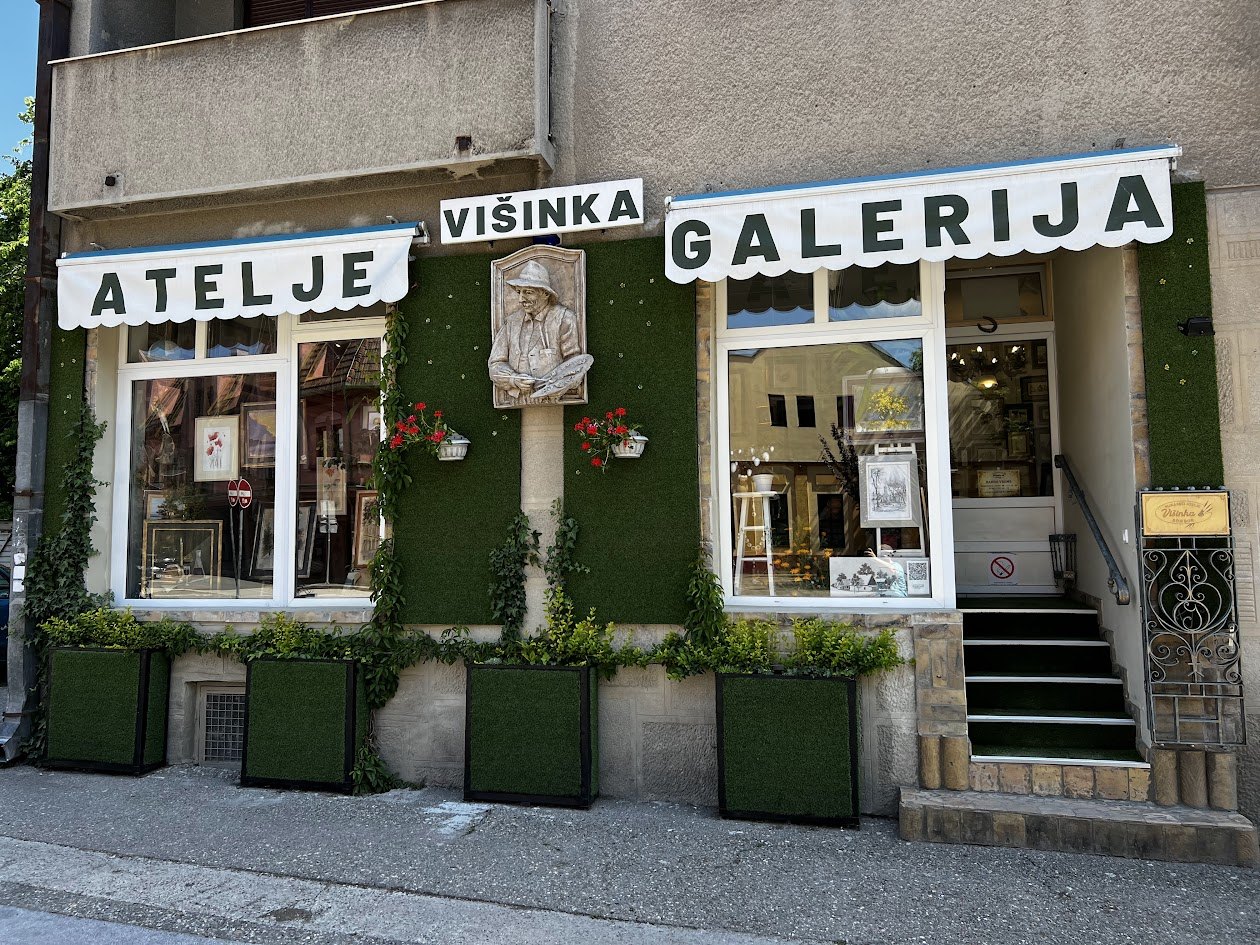
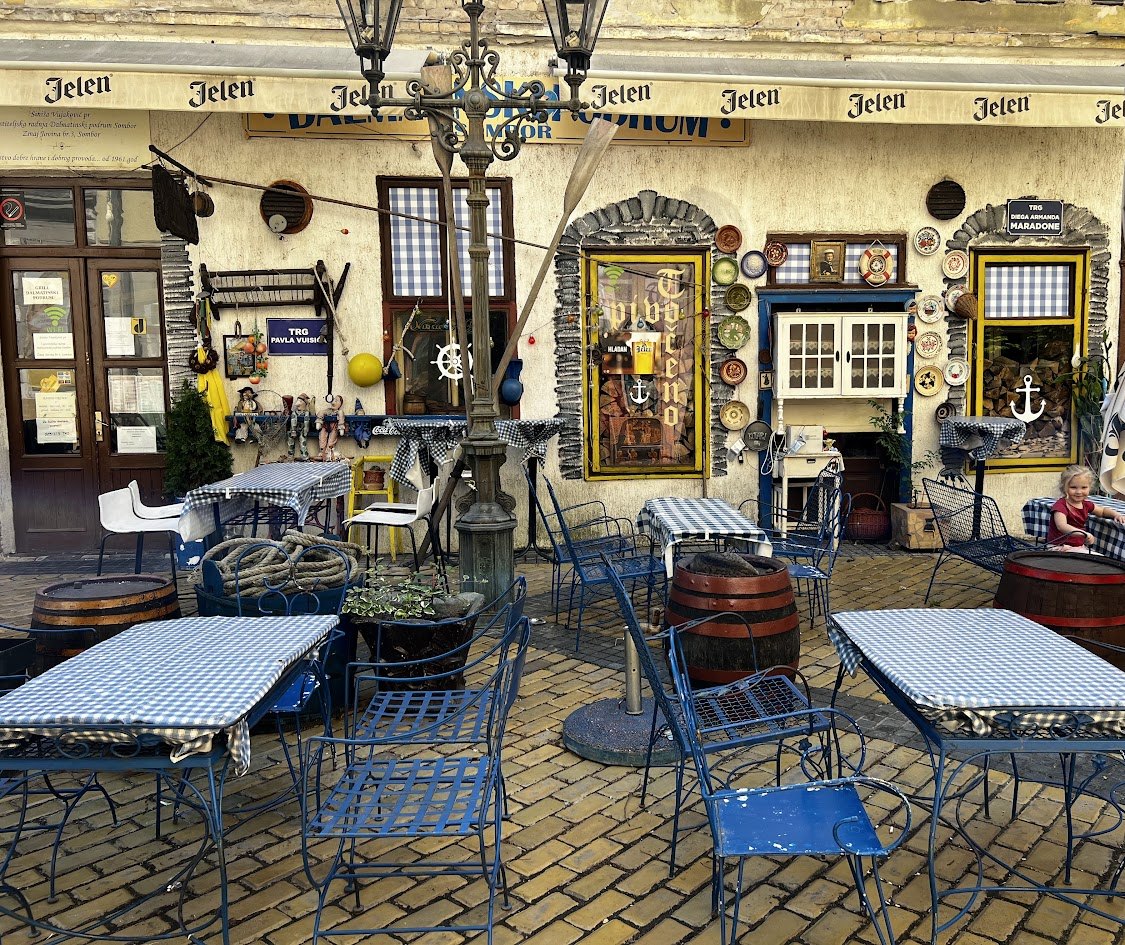
On the way: the Višinka art studio and gallery (Venac Radomira Putnika 23/2) sells oils, watercolours, pastels and prints, and souvenirs with Sombor motifs (Vojvodina Travel). At Zmaj Jovina 5 is the Dalmatinski podrum tavern, open since 1961 according to the sign on its wall.
The Church of St Stephen the King, known to everyone as the Carmelite church, was built in 1860–1901 and consecrated in 1902. Its organ of 1926 was the third largest in the Kingdom of Yugoslavia. The monastery on its south side was built in 1905 (Vojvodina Travel). In front is Park heroja, the largest park in town (The Amazing Traveler).
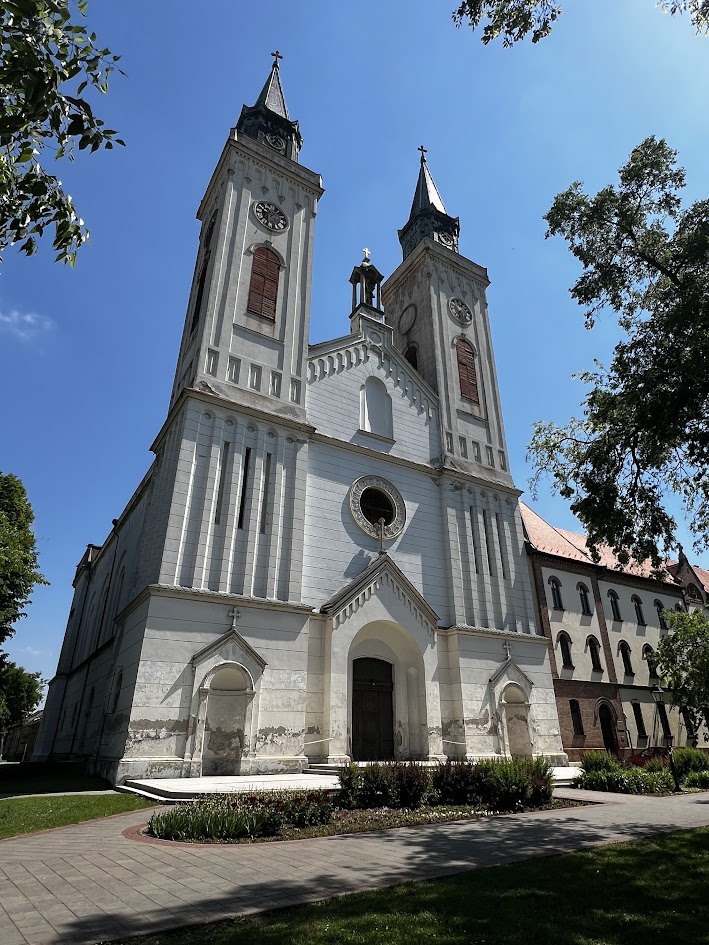
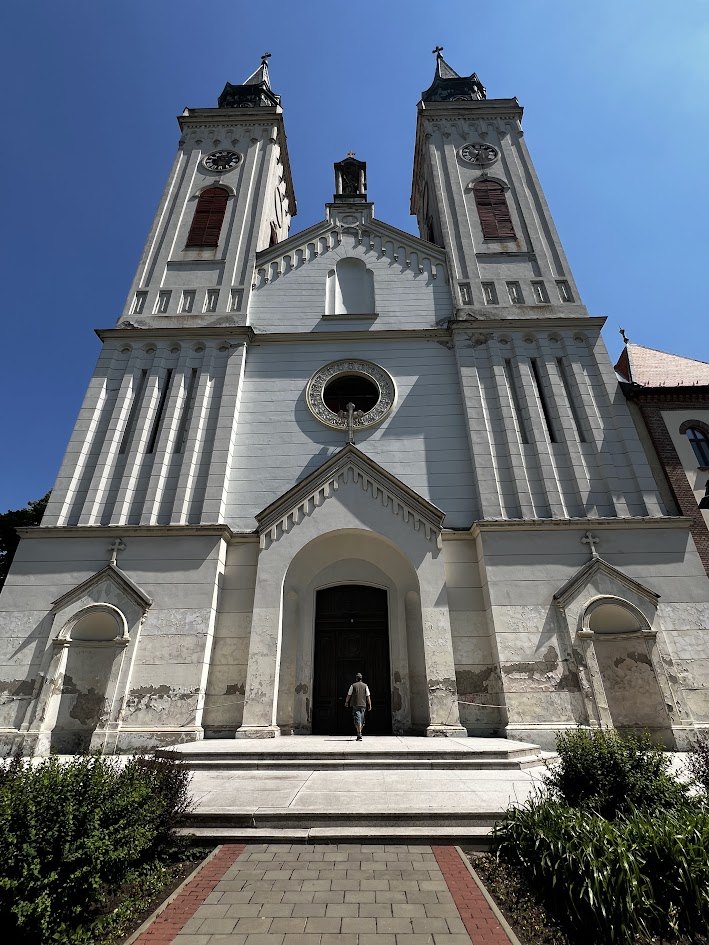
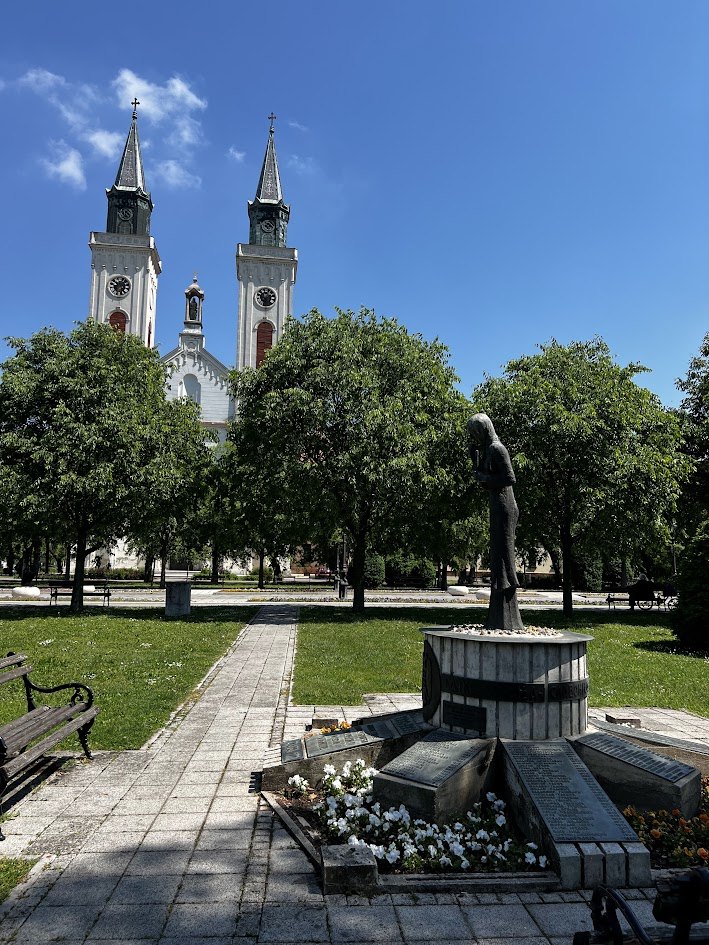
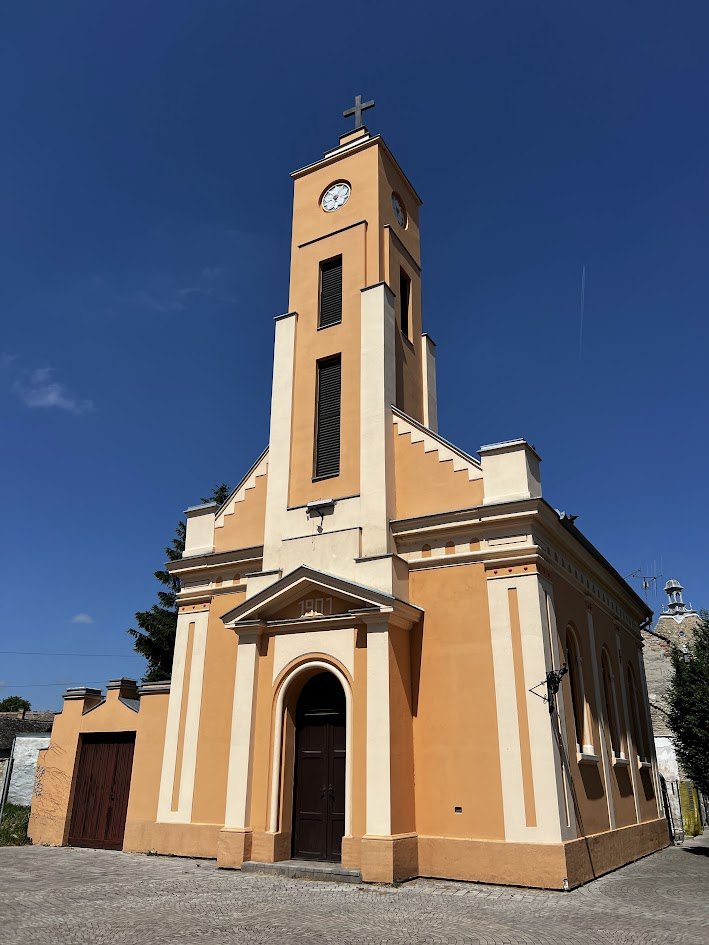
The orange Evangelical church (Wikimedia Commons) has the year 1901 on its gable.
Sombor Tourist Organisation: +381 25 434 350, Trg Svetog Đorđa 1 (Vojvodina Travel). North of town is the Gornje Podunavlje special nature reserve, and in town the Milan Konjović Gallery (Vojvodina Travel).
Driving times from Vajska are approximate, calculated from OpenStreetMap data.
Nearby · About 6 minutes by car
The deepest lake in Vojvodina, left behind by a great Danube flood: beach, campsite and fishing.
Nearby · About 15 minutes by car
The best-preserved medieval fortress in Vojvodina, the Šiljak city gate with its Gothic double windows and the remains of an Ottoman bath: history and tips for a visit.
Nearby · About 17 minutes by car
The monastery of the Assumption: Gothic, Romanesque and Classicist, with a working organ and a museum.